Arctic Blast To Unleash Frigid Cold, Snow, And Ice
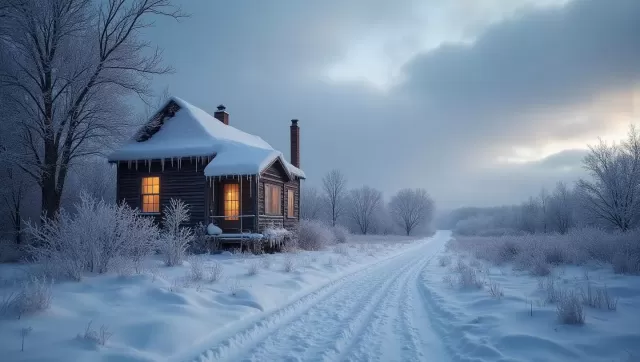
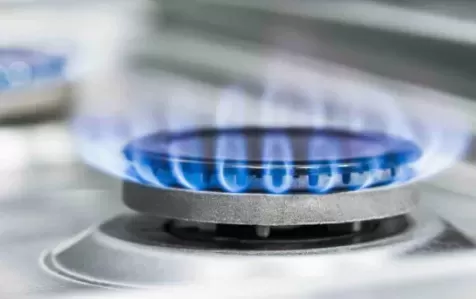
A powerful Arctic weather system is driving a dramatic surge in natural gas markets, with prices climbing over 20% in a single day. The cause is an impending and prolonged blast of extreme cold forecast to envelop a vast portion of the United States.
Extreme Cold Poses Severe Risks
The National Weather Service warns that an Arctic front will descend, bringing life-threatening wind chills as low as -50 degrees Fahrenheit across the Upper Midwest and Northern Plains. This intense cold creates a high risk of frostbite and hypothermia with only brief exposure to the elements. Officials emphasize that residents should prepare for potential power outages, which could exacerbate the dangers, and ensure all pets are brought indoors for safety.
Widespread Winter Storm Trajectory
Meteorologists outline a multi-faceted storm with significant impacts expected across several regions:
- Heavy Snow: The southern high plains, including parts of Colorado and New Mexico, are forecast to receive heavy snow by Friday.
- Ice Storm Threat: A major ice storm is predicted to develop over Texas by Friday night, spreading eastward through the Deep South and into the Carolinas over the weekend. This event carries risks of hazardous travel conditions, fallen trees, and widespread power outages.
- Expanding Reach: The system will propagate snow and ice across the southern plains to the Mississippi Valley on Saturday, reaching Southern Appalachia and the Mid-Atlantic by Saturday night into Sunday. By Sunday, frigid sub-zero and single-digit temperatures will also grip the Ohio Valley and Northeast.
Preparing for Extended Impacts
The scale and duration of this cold wave are key concerns. Due to the persistent extreme temperatures, any accumulated snow and ice will be slow to melt after the storm passes. This situation necessitates preparation for extended disruptions, potentially lasting several days. Key considerations for residents in the affected areas include:
- Ensuring adequate home heating supplies and emergency kits.
- Planning for possible travel delays and road closures.
- Taking precautions to prevent frozen pipes.
- Staying updated with official forecasts and warnings from local authorities.
The combination of spiking heating demand and concerns over energy infrastructure reliability during the severe weather is the primary catalyst behind the sharp rise in natural gas prices.