Unequal Greenspace Access Worsens Heatwave Impact in Cities
Western Europe recently endured a summer of intense heatwaves, with temperatures soaring to unprecedented levels. Tragically, thousands of lives were lost due to heat-related causes across numerous European cities in June alone. Scientific analysis points to a significant link between these deaths and climate change, which amplifies the severity of heatwaves.
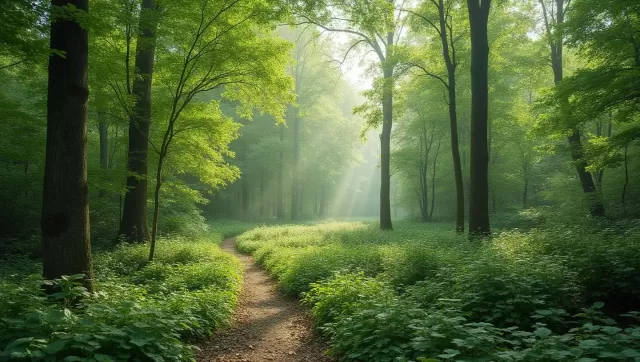
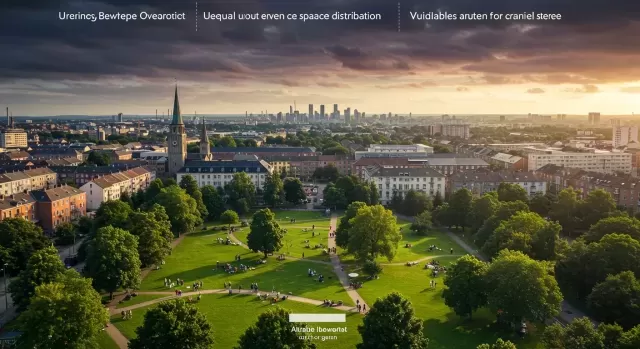
Urban areas, home to a large majority of western Europe's population, suffer from the "urban heat island effect," making them particularly vulnerable during these extreme weather events. Green spaces like parks, street trees, and green roofs offer a vital cooling effect, prompting many cities to implement greening initiatives.
However, a recent study reveals a concerning trend: urban green spaces are not distributed fairly. Research conducted by Weiqi Zhou and his team at the Chinese Academy of Sciences in Beijing analyzed green space development in relation to social deprivation in Beijing and New York City. The study discovered that new green spaces tend to be established in wealthier areas, deepening the disadvantages faced by vulnerable communities.
The researchers emphasize the need for cities to prioritize urban greening projects in the most at-risk neighborhoods. Instead of simply planting trees where it's easiest, urban planning should focus on equitable distribution to protect all residents from the dangers of extreme heat. This targeted approach is crucial for building climate resilience and ensuring the well-being of all urban dwellers.