H5N1 Bird Flu Kills Antarctic Skuas in First Major Die-Off
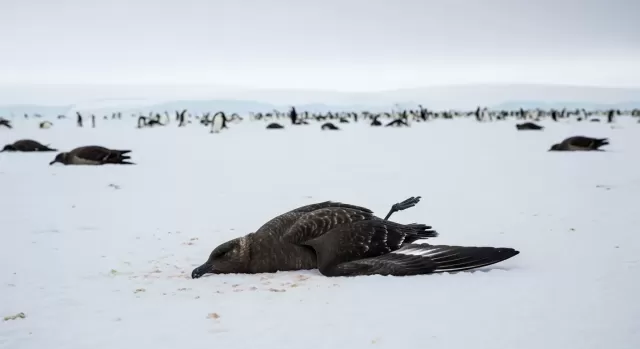
The frozen landscapes of Antarctica are facing a new biological threat as researchers confirm the first major wildlife die-off caused by the highly pathogenic H5N1 avian influenza virus. During the austral summers of 2023 and 2024, more than 50 skuas—large, predatory seabirds—were found dead across the continent. While the virus had been previously detected in the region, a recent study published in Scientific Reports provides the first definitive evidence that the respiratory pathogen was the direct cause of death for these populations.
The investigation, conducted by experts from the University of California, Davis, and Erasmus MC in the Netherlands, highlights a troubling shift in the southern ecosystem. Skuas, which function as both hunters and scavengers, are particularly at risk due to their feeding habits. By consuming the remains of other infected animals, these birds inadvertently accelerate the transmission of the virus throughout the Antarctic Peninsula.
The Impact on Skua Populations
During an expedition in March 2024, scientists surveyed ten distinct locations, including the Antarctic Peninsula, the South Shetland Islands, and the northern Weddell Sea. While they tested various species, including fur seals and several types of penguins, the skuas emerged as the primary victims of the outbreak. Specifically, significant mortality events were documented at Beak Island, Hope Bay, and Devil Island.
The physical toll on the birds was harrowing. Researchers observed severe neurological distress, a hallmark of the H5N1 strain. Infected birds exhibited:
- Loss of motor control, including swimming or walking in repetitive circles.
- Extreme physical contortions, such as twisted necks and rigid body stretching.
- Disorientation leading to collisions with terrain or falling mid-flight.
A Global Pathogen Reaches the Remote South
The journey of H5N1 to the southernmost continent has been decades in the making. First identified in 1996 within the Chinese poultry industry, the virus eventually jumped to wild bird populations, allowing it to bypass geographic boundaries. Over the last several years, it has moved through Europe, Africa, and the Americas with devastating speed.
The ecological footprint of the virus is vast, affecting a diverse range of life:
- More than 400 million domestic poultry culled or lost globally.
- Massive die-offs of marine mammals, including sea lions and elephant seals in South America.
- Infections in land mammals such as foxes, bears, otters, and even domestic dairy cattle.
- Potential risks to human health, with historical data showing a high fatality rate in the limited number of reported human cases.
The Challenges of Wildlife Monitoring
The arrival of avian flu adds a layer of complexity to an already fragile environment. Antarctic wildlife is currently battling the effects of rising temperatures, overfishing, and increased human presence through tourism. However, the true scale of the H5N1 impact remains difficult to quantify because of a significant lack of baseline data.
The most recent comprehensive census of Antarctic skuas dates back to the 1980s. Without modern population figures, scientists struggle to determine if the loss of 50 birds represents a localized incident or a catastrophic blow to the regional population.
Expert consensus suggests that the virus will continue to migrate and adapt. The research team emphasizes that because the virus has become firmly established in wild bird populations across nearly every continent, the window for traditional containment has closed. Moving forward, the focus must shift toward rigorous surveillance and international cooperation to monitor how the virus evolves within these isolated polar colonies. Without active observation, the true extent of this biological crisis may remain hidden until irreversible damage is done to one of Earth's last wildernesses.