Methane Surge: Nature's Feedback Loop
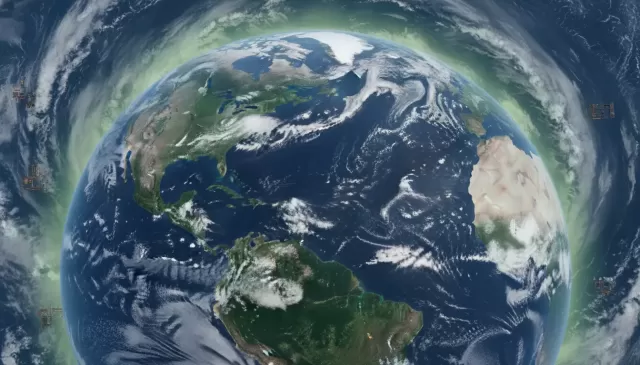
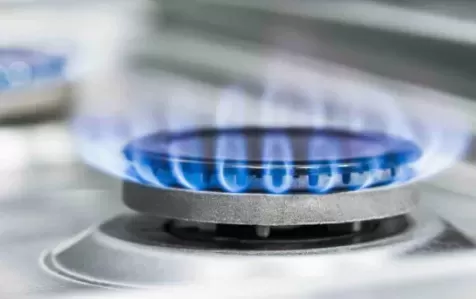
Recent data indicates that atmospheric methane levels have surged at an alarming rate during the first few years of this decade. This spike is not merely a result of industrial activity but rather a complex interaction between shifting atmospheric chemistry and a warming, wetter planet. Researchers have identified that a significant portion of this increase stems from a weakening of the earth's natural ability to break down greenhouse gases, combined with a boom in emissions from saturated ecosystems.
The Breakdown of Atmospheric Self-Cleaning
A primary driver behind the recent methane surge was a sharp decline in hydroxyl radicals (OH), often referred to as the atmosphere's "detergent." These reactive chemicals are responsible for neutralizing methane molecules in the air. Between 2020 and 2021, this natural purification process faltered significantly.
Scientific analysis suggests that the decline in hydroxyl radicals accounted for approximately 80% of the year-over-year growth in methane concentrations. This chemical shift was largely an unintended side effect of the COVID-19 pandemic. As global lockdowns reduced nitrogen oxide (NOₓ) pollution from transportation and industry, the chemical reactions that typically produce hydroxyl radicals slowed down, allowing methane to persist in the atmosphere for much longer than usual.
Climate Patterns and Microbial Feedback
While atmospheric chemistry played a major role, the physical environment also contributed to the record-breaking levels. A prolonged La Niña event spanning from 2020 to 2023 brought excessive rainfall to many parts of the globe, particularly in the tropics. These wet conditions expanded the reach of wetlands, rivers, and lakes, creating the perfect low-oxygen environment for methane-producing microbes.
The impact was not restricted to untouched wilderness. Managed landscapes, such as rice paddies and man-made reservoirs, also saw a spike in microbial activity. These sources are frequently overlooked in traditional climate models, yet they proved to be critical contributors during this period. The fastest growth occurred in 2021, when methane levels jumped by nearly 18 parts per billion—a rate of increase 84% higher than what was recorded just two years prior.
Regional Shifts and the Role of Fossil Fuels
The geography of these emissions reveals how sensitive the planet is to climate extremes. Tropical Africa and Southeast Asia saw the largest increases in methane output due to heavy rainfall. In the Arctic, rising temperatures accelerated microbial activity in thawing wetlands. Conversely, some regions like South America experienced a temporary dip in emissions in 2023, as El Niño-driven droughts dried out methane-producing landscapes.
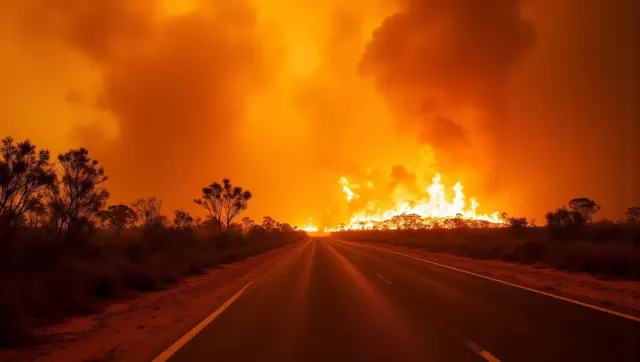
Crucially, the study found that fossil fuel extraction and wildfires were not the primary culprits behind this specific multi-year spike. Through chemical fingerprinting, researchers determined that the vast majority of the new methane came from biological sources rather than the burning of coal, oil, or gas. This suggests that as the world gets warmer and wetter, natural feedback loops may begin to override anthropogenic emission controls.
Essential Discoveries from the Recent Methane Analysis
Weakened Atmospheric Sinks: The surge was primarily driven by a lack of hydroxyl radicals, meaning the atmosphere couldn't clean itself as effectively as it has in the past.
The Impact of Pandemic Lockdowns: Reductions in NOₓ pollution during 2020-2021 inadvertently lowered the levels of methane-clearing chemicals, proving how interconnected global air quality and greenhouse gas levels truly are.
Wetter Landscapes, Higher Emissions: The three-year La Niña cycle triggered massive methane releases from flooded areas in the tropics and the Arctic.
Model Inaccuracies: Current bottom-up models often fail to capture the volatility of methane emissions from inland waters and managed agricultural systems, leading to significant underestimates.
Policy Implications: Future climate strategies, such as the Global Methane Pledge, must expand their focus to include climate-driven natural sources alongside traditional industrial regulations to reach meaningful targets.