Australian Beaches Embrace Bikini Shorts: Comfort Over Minimalist Cuts
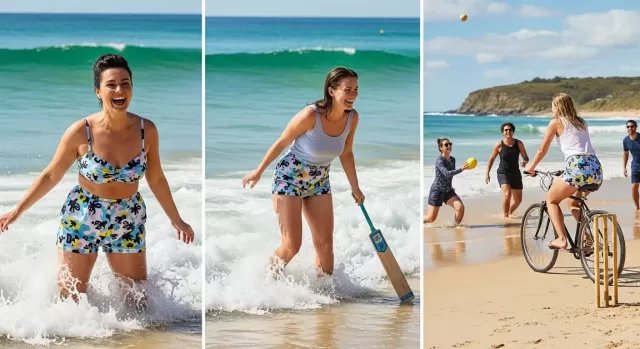
For years, the aesthetic on Australian beaches has leaned toward the "less is more" philosophy, with ultra-minimalist cuts and G-string bottoms dominating the shoreline. However, a significant shift in swimwear preferences is currently unfolding. Women are increasingly trading in their tiny bikinis for "bikini shorts"—also known as boyleg bottoms—prioritizing movement, comfort, and a sense of "childlike freedom" over the simple pursuit of a tan.
Reclaiming the Joy of the Ocean
The transition toward fuller-coverage options often marks a change in how women interact with the water. For many, like 27-year-old Rosie Brunt, the beach has evolved from a place to static sunbathe into an arena for adventure. By opting for swimming shorts, beachgoers feel more secure engaging in high-energy activities such as:
- Snorkeling through rock pools.
- Coastal bike riding.
- Beach cricket and active sports.
- Cliff jumping and diving.
This movement away from "micro-swimwear" allows individuals to focus on the experience of the ocean rather than the constant need to adjust a revealing suit. The shift represents a rejection of the social pressure to wear high-cut, minimal styles in favor of modesty and practicality.
The Rise of Versatile Beach-to-Cafe Fashion
One of the primary drivers behind the popularity of bikini shorts is their multifunctional nature. In an era where the cost of living is rising, consumers are looking for more value from their wardrobe investments. Modern swim shorts are designed to look like high-end activewear, allowing them to function as an outfit both in and out of the water.
For travelers and minimalists, these pieces are invaluable. A single pair of boyleg bottoms can serve as swimwear during a morning dip and then transition into a casual outfit for a cafe visit or a hike when paired with a linen shirt. This "big shirt, little pants" silhouette has become a viral sensation on platforms like TikTok, blending the comfort of gym-inspired bike shorts with the utility of quick-dry fabrics.
Design Trends and Aesthetic Appeal
While functionality is a major draw, style has not been sacrificed. Today's bikini shorts often draw inspiration from vintage and nostalgic fashion eras. Popular design elements currently seen across Australian brands include:
- Retro 1950s Silhouettes: High-waisted cuts that offer a flattering, cinched-in look.
- Y2K Prints: Vibrant red hibiscus flowers, cheetah spots, and bold graphic patterns.
- Classic Patterns: Timeless gingham and polka dots for a preppy, sophisticated vibe.
- Minimalist Earth Tones: Shades of espresso, beige, and slate black for a modern, sleek appearance.
This diversity in design ensures that fuller coverage is no longer equated with being "frumpy." Instead, it is being embraced as a chic, fashion-forward choice that caters to a wide variety of body types and personal tastes.
Market Trends and Future Outlook
The data reflects a clear change in consumer behavior. Since 2023, Google searches for "bikini shorts" have consistently outpaced those for "thong bikinis" in Australia. This is not just a passing fad; industry leaders at major labels like Seafolly and Camp Cove Swim report that high-waisted shorts have become their top-selling items over the past two seasons.
Industry experts suggest that this trend is a direct reaction to the "overexposure" of Brazilian-style bottoms that have saturated the market for years. As the influence of activewear continues to merge with mainstream fashion, the demand for "tankinis" and boyshorts is expected to remain strong well into 2026 and 2027. This shift signals a broader movement toward body confidence and the empowerment of women to choose swimwear that facilitates a more active, uninhibited lifestyle.