High Street Fashion Revival: Designer Collabs Fuel Growth
The latest announcements from leading retailers like Marks & Spencer and John Lewis reveal a dynamic shift in the landscape of high street fashion. M&S leadership recently underscored robust customer interest in its revitalized fashion lines, even as recent sales figures dipped, attributing any slowdown to external factors rather than a dip in consumer appetite. This sentiment is particularly strong around their new ventures and existing successful partnerships.
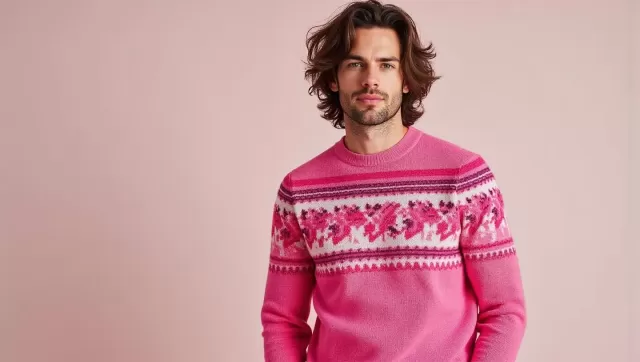
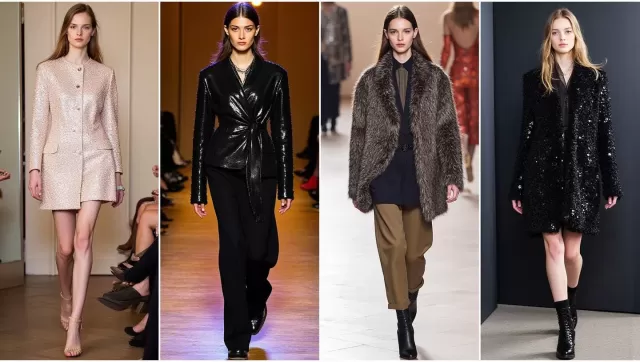
A flurry of exciting collaborations has energized the autumn fashion scene. M&S launched a highly anticipated collection with London label 16Arlington, featuring festive sequin dresses and feather-detailed tops. Simultaneously, H&M unveiled its partnership with Belgian designer Glenn Martens. Not to be outdone, John Lewis introduced ranges by Labrum and Rejina Pyo, while Debenhams presented a collection with Ashish Gupta, known for his sequined creations. M&S also continued its popular alliance with Bella Freud, offering eye-catching knitwear. Further solidifying this trend, acclaimed London designer Aaron Esh was appointed creative director at All Saints.
The Evolution of Designer-Retailer Partnerships
Fashion collaborations have a long history, dating back to the "Designers at Debenhams" initiative in the 1990s, which featured luminaries like Jasper Conran and Matthew Williamson. H&M made waves with its 2004 collection with Karl Lagerfeld, and Topshop famously partnered with Kate Moss and Christopher Kane in the noughties.
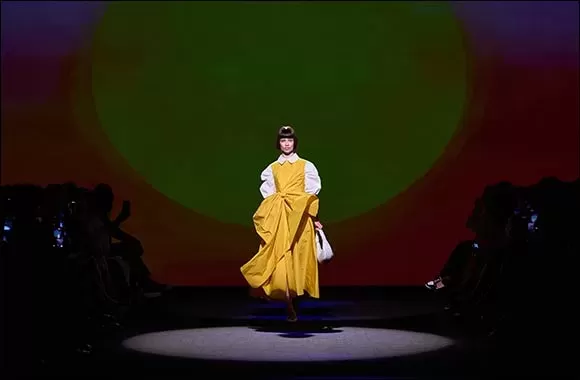
Historically, these alliances often felt like high fashion bestowing its prestige upon the high street. However, the current wave signals a significant shift. Today, these partnerships are increasingly becoming a vital support system for independent designers, many of whom face considerable financial hurdles. Designers like Esh, Pyo, and 16Arlington have opted out of expensive London Fashion Week shows in recent seasons, highlighting the economic realities.
Mutual Benefits: A Win-Win for Creatives and Commerce
The advantages of these collaborations extend in multiple directions, creating a symbiotic relationship beneficial to both designers and retailers.
Empowering Independent Designers
For independent designers, these partnerships offer crucial support:
- Financial Stability: A structured collaboration can provide a steady income stream, alleviating the pressure of living "season to season." As one designer noted, it helps build a company's financial foundation.
- Expanded Audience and Brand Recognition: Working with a major retailer instantly broadens a designer's reach, introducing their aesthetic to a vast new customer base. A small brand, previously known only to a niche audience, can suddenly become a household name across the country.
- Operational Development: Designers gain invaluable insights into the workings of a large-scale business. Retailers can offer expertise in areas where designers might have less experience, such as knitwear production, and share their extensive network of industry contacts.
Despite potentially higher price points compared to the retailer's usual offerings, these designer pieces consistently sell well. For instance, a particular green satin shirt from one collaboration reportedly sold out within a day. This demonstrates strong consumer demand for unique, high-quality design.
Elevating High Street Retailers
The benefits for high street giants are equally compelling:
- Enhanced Credibility and Design Edge: Collaborations inject a dose of luxury and unique design ethos into mainstream offerings. The attention to detail, fabric quality, and distinctive fit characteristic of independent brands elevate the retailer's overall fashion credibility.
- Creative Inspiration and Innovation: These partnerships expose in-house design teams to fresh perspectives and diverse creative approaches, pushing them to experiment and innovate. This exposure can significantly influence future internal collections and design strategies.
- Customer Engagement and Differentiation: Exclusive collections generate buzz, attract new customers, and offer existing shoppers something novel and exciting. This helps retailers stand out in a competitive market.
- Industry Stewardship: Many retailers see these collaborations as a way of "giving back" to the British fashion industry, supporting emerging talent and contributing to the broader creative ecosystem.
In essence, what began as a means for high street stores to borrow high fashion's glamour has evolved into a sophisticated strategy. These creative partnerships now provide a lifeline for emerging talent while simultaneously enriching the offerings and creative spirit of major retailers, shaping a more collaborative and vibrant future for the fashion industry.