Prada, Max Mara, Armani: Fashion's New Power Dressing
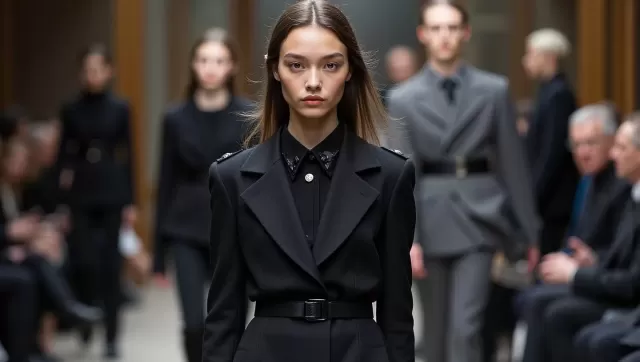
In a world where uniforms often signify conflict and control, designers are re-examining their power, transforming them into symbols of strength, sophistication, and personal agency. Miuccia Prada and Raf Simons, at the helm of Prada, are leading this charge, challenging the perception of uniforms as solely utilitarian or militaristic. Their latest collection offers a fresh perspective, demonstrating how carefully crafted pieces can imbue wearers with a sense of protection, neutrality, and intellectual freedom.
Reclaiming Uniforms: Prada's Vision of Modern Elegance
After a Milan show that embraced the structured silhouette of uniforms, Miuccia Prada articulated her enduring fascination with the concept. "I am always trying to build a new kind of elegance," she stated, emphasizing that uniforms, far from being drab, can be liberating. They offer a sense of being "protected" and "neutral," allowing for greater mental clarity and focus. For women, in particular, Prada believes uniforms can unlock "authority and agency," enabling them to feel "amazing and chic and luxurious" – an experience as potent as wearing a flowing dress.
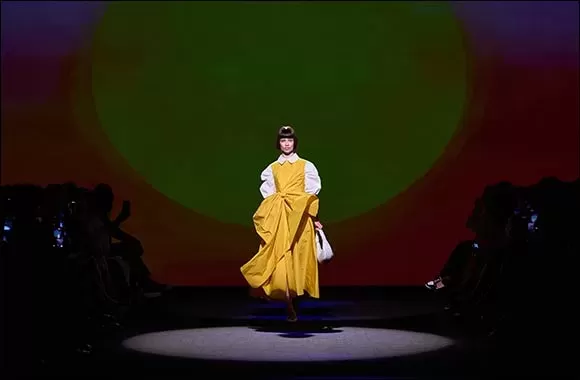
The collection itself showcased this duality. Boxy, short-sleeved shirts reminiscent of those bearing insignia were reimagined with Prada's signature triangle logo. V-neck sweaters and sharply pleated trousers grounded the looks in a sense of purpose. Yet, a playful counterpoint emerged through unexpected touches of glamour: a taffeta puffball skirt layered beneath a practical rainmac, and satin opera gloves elevating the sober shirts. Raf Simons drew personal inspiration from his father, a night watchman, recalling the warmth and care associated with his uniform, rather than any militaristic connotations. His sentiment resonated with the current global climate: "The world is so hardcore now, but there is still so much beauty. We have to find a way through."
A Rococo Renaissance: Max Mara's Ode to Historical Power Players
Coinciding with this exploration of structured elegance, fashion is also looking to the past for inspiration, with the 18th century experiencing a significant resurgence. Following the dramatic, pannier-hipped skirts that graced London Fashion Week, Max Mara turned its gaze to Madame de Pompadour, a notable figure of the earlier Rococo era, drawing influence from the artistic sensibilities of Fragonard and Gainsborough.
Max Mara's core customer is the accomplished professional, a woman who has climbed the career ladder and appreciates investment pieces. Ian Griffiths, Max Mara's designer, explained that Madame de Pompadour served as a more fitting muse than Marie Antoinette for his brand. Unlike royalty, Madame de Pompadour was a commoner who ascended to significant political and cultural influence through her own intellect and acumen, a narrative that aligns with Max Mara's ethos of empowering women.
While the ornate pastel gowns of Rococo might not translate to the demands of the modern workplace, Griffiths skillfully extracted key design elements from the edges of historical silhouettes. His runway featured a sleeveless tailored coat-dress adorned with ruffled organza epaulettes, a subtle nod to the elaborate cuffs favored by historical figures. Floral motifs were reinterpreted in sophisticated shades of grey, maintaining a contemporary feel. Griffiths underscored his design philosophy: "My job is making clothes that make women feel powerful, and fussy clothes don't do that. Clothes that are fussy and hard to wear detract from your power."
Known for its exceptional outerwear, Max Mara's collection for the upcoming summer season focused on warm-weather tailoring. Pencil skirts designed for bare legs, chic jacket-and-short suits, and versatile waistcoats were key. The addition of plain black elastic bands was a thoughtful touch, lending a "snappy and crisp" finish, as Griffiths explained, while also injecting a subtle, characteristically British element of playful fetish, even within formal structures.
Honoring a Legend: Armani's Legacy Continues
This Milan fashion week has been dedicated to the memory of Giorgio Armani, culminating in a black-tie finale for the reveal of his final collection. Emporio Armani, the designer's more accessible diffusion line, presented its first runway show since his passing. In a touching tribute, models led the audience in applause as Silvana Armani, the founder's niece and head of womenswear design, accepted the accolades in her uncle's stead, signifying the enduring legacy of the Armani house.